Whiskey Store Realistic Vector Product: A Designer's Honest Review
I have spent years reviewing digital assets for the embroidery community, and I can tell you that finding a design that bridges the gap between a high-end graphic template and a functional machine embroidery file is rare. When Whiskey Store Realistic Vector Product landed on my desk, my first instinct was to look past the glossy 3D mockup description and ask a critical question: How does this translate from a screen to a needle? As an experienced designer who has overseen countless client projects, I know that a beautiful image does not always equal a stitchable reality. This review is not about marketing hype; it is about practical judgment based on real-world application for small business owners, Etsy sellers, and creative entrepreneurs.
The First Impression: Mood and Visual Personality
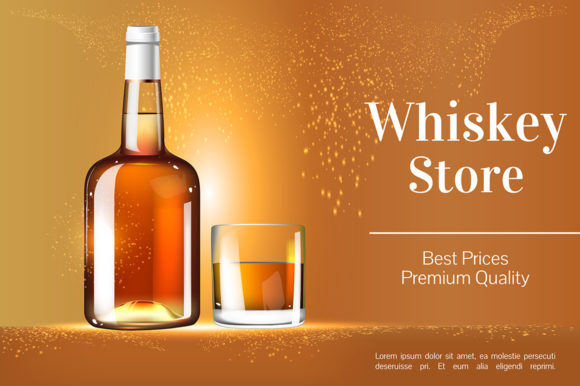
The initial visual of the Whiskey Store Realistic Vector Product screams sophistication. It captures the warm, amber tones associated with premium spirits, creating an immediate mood of luxury and craftsmanship. For a designer looking to create custom apparel or boutique branding, this asset offers a distinct personality that feels established rather than generic. The layout suggests a horizontal banner format, which naturally lends itself to wide stitching areas like chest logos on sweatshirts or full-width designs on aprons.
However, the description mentions "3d mock up" and "ads banner template." This is where the designer must pause. In the world of embroidery, depth is created through thread density and texture, not lighting effects. If the vector contains complex gradients intended to simulate 3D glass reflections, those will likely flatten out during the digitizing process unless handled with extreme care. The design feels best suited for projects that require a touch of elegance, such as a personalized gift for a whiskey enthusiast or merchandise for a craft fair booth specializing in adult beverages.
Real-World Application: From Screen to Stitch
Let me walk you through a scenario I often encounter. Imagine you are preparing a holiday collection for your handmade shop. You want to create a limited run of embroidered tote bags featuring a unique alcohol-themed design. You select the Whiskey Store Realistic Vector Product because it fits your brand aesthetic perfectly. But how will it perform?
If this design is converted into a proper machine embroidery design, the realistic elements need to be simplified. A satin stitch outline might work beautifully for the bottle shape, while fill stitches could handle the label text. However, if the original vector relies on tiny details to convey the "realistic" aspect, you risk losing clarity once stitched. For a tote bag design, the fabric is usually sturdy canvas or cotton duck, which provides a stable base. Here, the design would shine, offering a professional look that elevates a simple bag into a statement piece.
Consider another use case: sweatshirt embroidery. The soft fleece of a hoodie can sometimes swallow fine details. If the Whiskey Store Realistic Vector Product includes intricate decorative accents or very small lettering, these might disappear into the nap of the fabric. Conversely, on a structured cap or a denim jacket, the design could pop, provided the hoop size allows for the necessary stability. The key is understanding that this graphic template serves as a starting point for a custom apparel project, not necessarily a direct plug-and-play solution without adaptation.
Where Caution Is Required
Not every surface is suitable for every design. There are specific scenarios where using this asset requires careful consideration to avoid ruining a customer's order. First, consider small hoop sizes. If you are attempting to stitch this on a baby item or a delicate nursery decor piece, the detail level might exceed the physical limits of a small frame, leading to puckering or misalignment.
Textured fabrics present another challenge. While a rough linen might add character, it can obscure the clean lines of a realistic vector. Thin or stretchy fabrics, such as lightweight t-shirts or jersey knits, are particularly risky. Without proper stabilizer usage, the tension required for a dense fill stitch could cause the fabric to warp, distorting the bottle shape. Dark fabrics also demand attention; if the vector relies on light colors for highlights, you may need to adjust your thread colors significantly to maintain contrast, which changes the original artistic intent.
Furthermore, curved surfaces like caps can be tricky. If the design is optimized for a flat horizontal banner, forcing it onto a curved brim might result in awkward spacing or distorted perspective. Detailed corners and tiny lettering should be avoided on products that undergo frequent washing, such as kitchen towels or aprons, as fraying can quickly degrade the visual appeal.
Impact on Brand and Customer Trust
In the competitive world of Etsy seller markets and craft business, presentation is everything. A well-executed design enhances product value and builds buyer engagement. If the Whiskey Store Realistic Vector Product is digitized correctly, it signals professionalism. Customers can instantly tell the difference between a sloppy, pixelated stitch job and a crisp, intentional design.
This asset has the potential to boost brand consistency. Whether you are selling personalized gifts or commercial embroidery services, having a cohesive visual language helps customers recognize your work. A high-quality embroidered patch featuring this design could serve as a premium upsell item, increasing the average order value. However, if the final finished product looks muddy or lacks definition, it erodes trust. The goal is to ensure that the handmade product feels just as premium as the digital preview.
Practical Notes for the Embroidery Designer
Before you commit to a production run, there are essential steps you must take. Do not skip the test run. Always stitch the design on scrap fabric that matches your intended material to check for issues with stitch density and registration. Pay close attention to the stabilizer; heavy designs often require cut-away stabilizers to prevent shifting, especially on graphic templates with large coverage areas.
Review the file carefully. Does it contain running stitch outlines or complex satin stitch paths? Ensure that the digitizing software handles the curves smoothly. Test the design in black and white mockups to verify that the contrast holds up without relying on color. Compare how it looks on both light and dark backgrounds, as this will dictate your thread palette choices.
Finally, confirm your licensing terms. Many digital embroidery files come with restrictions on commercial use. If you plan to sell the finished items or include them in a printable mockup for clients, you must have the appropriate rights. Check whether the ZIP file contains all necessary formats for your specific machine. If the documentation regarding file formats or compatibility is missing, reach out to the creator before purchasing.
The Whiskey Store Realistic Vector Product is a compelling asset for those willing to put in the work to adapt it. It offers a sophisticated theme that resonates with adults and collectors, but its success depends entirely on your execution. By treating it as a design challenge rather than a simple download, you can transform a standard graphic into a standout embroidery project that delights your customers and strengthens your small shop product line.