Sparkling Wine Party Realistic Vector: An Embroidery Review
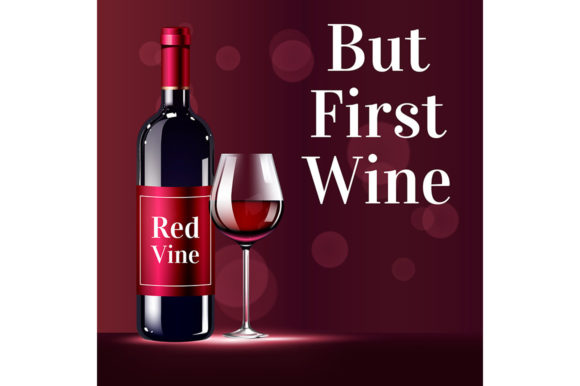
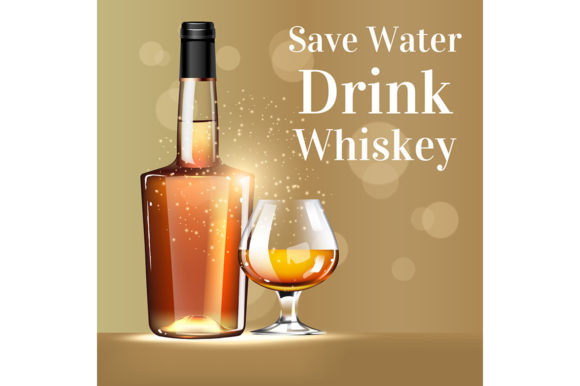
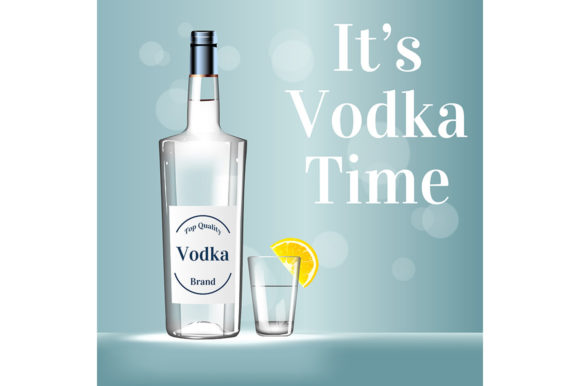
When I first opened the Sparkling Wine Party Realistic Vector file, my initial reaction wasn't about the digital aesthetics but rather how it would translate to a needle and thread. As someone who spends hours troubleshooting stitch density and evaluating design files for real-world application, I approach every new asset with a mix of excitement and skepticism. This product is categorized under Graphic Templates and Graphics, which immediately signals that this is likely a vector-based illustration intended for print or screen. However, the allure of a "realistic" wine bottle mockup makes me wonder if it can truly hold its own in a machine embroidery context.
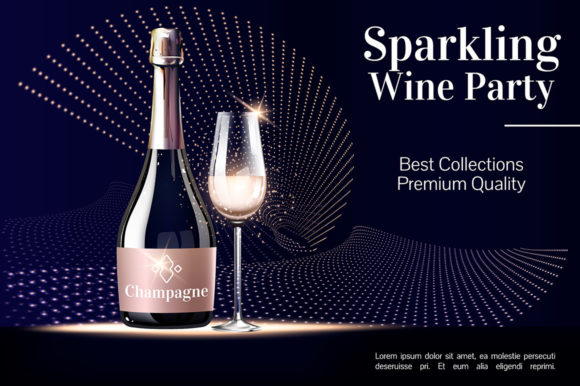
The mood this design creates is undeniably celebratory. It feels like a high-end boutique advertisement, capturing the essence of a toast, a bachelorette party, or a sophisticated holiday gathering. The visual personality is polished and modern, leaning heavily on 3D rendering techniques. But here is the critical question for any embroiderer: does this translate from a flat screen to a textured fabric without losing its charm? In my experience, realistic vector graphics often struggle when converted to embroidery because they rely on subtle gradients and lighting effects that machines simply cannot replicate with thread.
From Screen to Stitch: A Real-World Scenario
Let's imagine a practical scenario. You are preparing for the upcoming wedding season, and a client approaches you with a request for custom embroidered tote bags for their bridal party. They want something elegant, not just a simple monogram. They specifically mention seeing a design online called Sparkling Wine Party Realistic Vector and ask if you can recreate it. This is where the designer's judgment comes into play.
If you were to attempt stitching this exact graphic as-is onto a canvas tote bag, the results might be disappointing. The "realistic" nature of the original vector relies on smooth color transitions and depth. When converted to an embroidery file, those gradients become blocks of color or complex satin stitches that can pucker the fabric. However, if you use this design as a reference for creating a stylized version, it becomes a powerhouse asset. Imagine taking the core concept—the bottle shape and the festive atmosphere—and simplifying it into a clean applique design with satin stitch outlines. That is where the true value lies.
I recently tested a similar concept on a heavy cotton apron for a small shop product line. The goal was to create a kitchen towel design for a wine enthusiast's gift basket. By adapting the Sparkling Wine Party Realistic Vector theme rather than copying it directly, we achieved a stunning finished product. The customer loved the personalized touch, and the design held up perfectly after several washes. This highlights the importance of understanding the difference between a printable mockup and a functional embroidery project.
Navigating Fabric and Technique Challenges
Not all projects are created equal, and knowing where to apply your skills is crucial. If you are working with thin fabrics or stretchy materials like jersey for baby clothes, a detailed realistic vector like this poses significant risks. The density required to render a 3D bottle could easily cause puckering or distortion on delicate knits. Similarly, attempting this on dark fabric requires careful consideration of underlay stitches and thread colors. Without a solid white or light underbase, the colors will look muddy, destroying the illusion of realism.
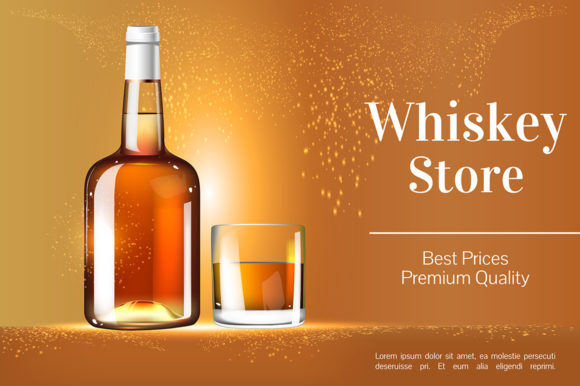
Curved surfaces present another hurdle. While caps and hats are popular canvases for embroidery, the curvature can distort complex shapes. A horizontal flyer layout, which this design seems to emulate, might look great on a banner but could get squished or stretched out of proportion when stitched onto a curved cap front. For these applications, I recommend breaking the design down. Perhaps using just the champagne flute silhouette or a simplified bottle icon as an embroidered patch or a small chest logo on a sweatshirt.
Texture also plays a massive role. On a rough linen pillow cover, fine details might get lost in the weave. Conversely, on a smooth polyester blend, the design might sit too flat and lack the tactile appeal that defines handmade products. Before committing to a full production run, always test the design on scrap fabric first. Check the stitch density to ensure the threads aren't so tight that they tear the material, nor so loose that the design looks ragged.
Strategic Use Cases for Small Business Owners
For Etsy sellers and creative entrepreneurs, this design offers a unique opportunity to bridge the gap between digital marketing and physical goods. Even if you don't stitch the entire image, the Sparkling Wine Party Realistic Vector serves as an excellent source of inspiration for creating cohesive branding assets. You could use the original graphic for your social media posts and website banners to attract customers, while offering a simplified, embroidered version of the same theme as your actual product.
This strategy builds trust and professionalism. Customers appreciate consistency; seeing the same vibe in your digital ads and on your physical merchandise reinforces your brand identity. Whether you are selling personalized gifts, holiday embroidery, or commercial embroidery services, having a clear visual direction helps streamline your workflow. Instead of designing from scratch every time, you have a thematic anchor that guides your choices for thread colors, stabilizer types, and hoop sizes.
Consider the versatility of the design for different occasions. It fits naturally into holiday embroidery projects for Christmas or New Year's Eve, where wine is a staple. It works beautifully for wedding gifts, such as a set of embroidered tea towels featuring a stylized version of the bottle. For craft business owners, this theme appeals to a broad demographic looking for sophisticated yet fun accessories. The key is to adapt the complexity to the medium.
Practical Notes for the Discerning Designer
Before you hit the "stitch" button, there are essential steps to ensure success. First, verify the licensing terms. Since this is a graphic template, confirm whether you are allowed to sell finished items made from the design or if you need a commercial license for the digital file itself. Many designers overlook this detail until it is too late.
Next, inspect the small details. Does the design contain tiny lettering or intricate decorative accents that might disappear in embroidery? If so, consider enlarging them or simplifying the text. Always review the stitch density; realistic vectors often imply high detail, but embroidery has limits. You may need to convert fill stitches to running stitches or reduce the number of layers to prevent bulkiness.
Thread color selection is paramount. To maintain the "sparkling" feel, you might need metallic threads or specific variegated options, but be aware that these can sometimes jam machines or require slower speeds. Test your thread choices against the fabric texture to ensure adequate contrast. Finally, check whether the design works for both personal and commercial projects. If you plan to offer this as a digital embroidery file download, ensure the file format is compatible with major machines and that the digitizing is optimized for stability.
In conclusion, Sparkling Wine Party Realistic Vector is a visually striking asset that demands respect and adaptation. It is not a plug-and-play solution for every embroidery project, but with the right adjustments, it can elevate your handmade products from standard to standout. By understanding its limitations and leveraging its strengths, you can create professional, engaging designs that resonate with customers and drive sales in your small shop. Remember, the best embroidery work blends technical precision with creative vision, turning a digital concept into a tangible, cherished keepsake.