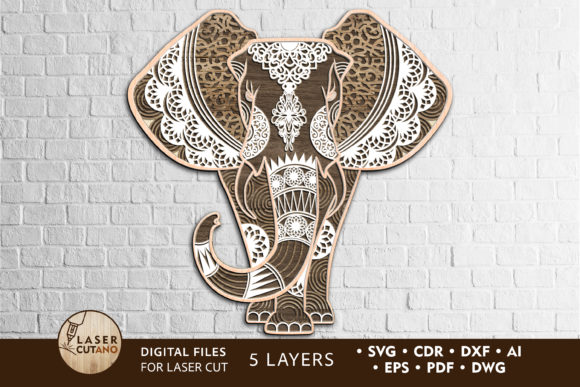
Elephant Vector Files for Laser Cutting
As a designer who has spent years reviewing embroidery files and testing them on everything from delicate baby rompers to heavy-duty work aprons, I know that the first impression of a design file is often the difference between a client's delight and a return request. When I first laid eyes on Elephant Vector Files for Laser Cutting, my initial reaction wasn't just about the shape itself, but about the mood it evokes. It carries a sense of gentle strength and whimsical charm that feels perfectly suited for modern handmade goods. However, before you rush to download this asset for your next commercial project, we need to have an honest conversation about how this specific design translates from a digital vector into a stitched reality.
The First Impression: Mood and Visual Personality
The elephant motif is timeless, but not all elephant designs are created equal. This particular file, originally prepared as a multilayer laser cut pattern, brings a unique structural integrity to the concept. When viewed as a potential machine embroidery design, the silhouette suggests boldness without overwhelming clutter. It creates a visual personality that is approachable yet dignified. For those of us running small businesses or Etsy shops, this kind of character is gold. It works effortlessly for nursery decor, boutique branding, and personalized gifts because it appeals to both children and adults.
However, there is a critical distinction to make here. The product description highlights that this is an Elephant Multilayer Digital Laser Cut file intended for CNC routers and cutting machines. While the geometry is likely sound, using a vector designed for physical cutting as an embroidery template requires a shift in mindset. You aren't just stitching lines; you are interpreting a shape meant to be cut out of wood or acrylic and adapting it for thread. Does the layout support the necessary stitch types? Does the flow of the design allow for smooth transitions between fill stitches and satin edges? These are the questions I ask myself when evaluating any new asset for real-world use.
Real-World Application: From Screen to Stitch
Let's imagine a practical scenario. You are preparing a custom embroidered tote bag for a local craft fair. You want something that stands out on a shelf full of generic floral prints. You decide to use Elephant Vector Files for Laser Cutting as the base for a large chest piece on a canvas tote. In theory, the bold outline of the elephant would look fantastic against natural cotton. But in practice, does the design hold up?
If you are planning to turn this into an embroidery file for a sweatshirt, the density of the stitches becomes crucial. A design optimized for laser cutting might have intricate internal details that, when converted to thread, could result in puckering if the fabric isn't stabilized correctly. I've seen beautiful vectors fail on stretchy fabrics because the stitch density was too high for the material to handle. If this design features dense fill areas, it will demand a sturdy stabilizer and perhaps a tear-away backing to prevent the fabric from distorting around the elephant's trunk and ears.
For smaller projects like an embroidered patch or a cap, the scalability of the design matters immensely. An elephant design that looks majestic on a wall hanging might lose its definition when shrunk down for a hat brim. The curves need to remain crisp. If the original vector relies on sharp angles for the laser cutter, those same angles might translate poorly into the rounded nature of a satin stitch border unless they are carefully digitized or edited. This is where the experience of a seasoned designer comes in; knowing which parts of the vector need simplification before stitching is key to a professional finish.
Where Caution is Required
While the aesthetic appeal of this design is undeniable, there are specific scenarios where Elephant Vector Files for Laser Cutting should be approached with caution. Small hoop sizes are the first red flag. If you are working with a 4x4 hoop, you must ensure the entire elephant fits comfortably without being cropped. Cropping a beloved design can ruin the balance and make the final product look incomplete.
Textured fabrics present another challenge. If you plan to stitch this onto a thick, boucle knit or a rough linen, the needle penetration might struggle, leading to skipped stitches or uneven tension. Similarly, thin or stretchy fabrics require extra care. Without the right amount of stabilizer, the weight of the thread could cause the fabric to gather, making the elephant look distorted rather than elegant. Dark fabrics also demand attention; you need to select thread colors that provide enough contrast so the details don't get lost in the weave of the cloth.
Furthermore, consider the durability of the finished product. If you are creating items that will undergo frequent washing, such as kitchen towels or baby clothes, the stitch density must be sufficient to withstand friction. A design that is too sparse might look good initially but fade quickly after a few wash cycles. Conversely, a design that is too dense might become stiff and uncomfortable, especially on items worn close to the skin like baby onesies or toddler shirts.
Impact on Product Value and Brand Perception
In the world of handmade commerce, quality speaks volumes. A well-executed custom apparel item featuring a thoughtfully adapted design builds trust with your customers. If Elephant Vector Files for Laser Cutting is used effectively, it elevates the perceived value of your small shop product. It signals that you pay attention to detail and understand the nuances of production. However, if the design appears pixelated, stretched, or poorly stitched due to a lack of preparation, it can damage your brand reputation instantly.
This design has strong potential for holiday gifts and seasonal collections. Imagine a set of embroidered tea towels with elephants for a winter holiday theme, or a collection of pillow covers for a spring nursery launch. The versatility of the elephant theme allows it to fit into various color palettes and styles. When used correctly, it enhances the giftability of your items, making them feel more personal and special. Buyers are often willing to pay a premium for products that show a clear connection to craftsmanship and thoughtful design choices.
Practical Designer Notes for Success
Before you commit to using this file for a commercial order or a major client project, follow these essential steps to ensure success. First, always test the design on scrap fabric that matches your final material in terms of weight and texture. This simple step can save you hours of frustration and wasted materials. Check the thread color contrast thoroughly; what looks good on a screen might not pop on a dark navy fabric.
Review the stitch density carefully. If the original vector implies very tight spacing, you may need to adjust the settings in your digitizing software to reduce the density slightly, ensuring the fabric doesn't pucker. Confirm your hoop size early in the process to avoid last-minute resizing issues. Inspect small details closely; sometimes, tiny elements in a laser-cut vector can become indistinguishable blobs when stitched.
It is also wise to test the design in black and white mockups to see how the shapes interact without the distraction of color. Compare how it looks on light versus dark backgrounds to ensure versatility. Always use the proper stabilizer for the specific fabric type you are using. Finally, verify the licensing terms. Just because a file is available for purchase doesn't automatically mean you have the right to sell finished items made from it. Ensure you have the correct permissions for commercial embroidery before listing your products on Etsy or other marketplaces.
By treating Elephant Vector Files for Laser Cutting with the respect it deserves and applying these practical adjustments, you can transform a digital vector into a stunning finished product that delights your customers and strengthens your business. Whether you are creating a unique tote bag design or a personalized gift, the effort you put into preparation will always show in the final result.