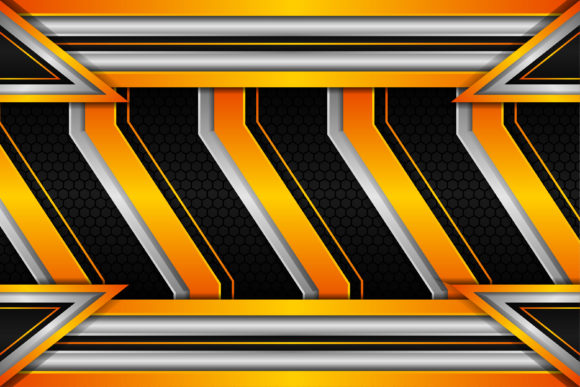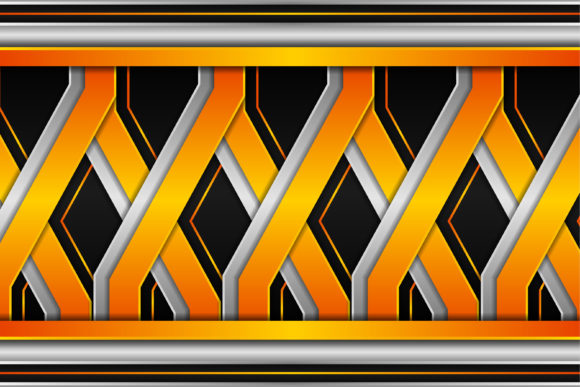
Black Wave Papercut Background Review
When I first opened the file for Black Wave Papercut Background, my immediate thought wasn't about stitch counts or digitizing techniques. It was about the mood. This design carries a heavy, moody atmosphere that feels perfectly suited for modern, minimalist branding or high-end streetwear. As someone who has spent years reviewing embroidery files and testing them on everything from delicate baby onesies to rugged canvas tote bags, I know that a background graphic can make or break a finished product. Most "backgrounds" are just noise—cluttered textures that disappear under thread. However, this abstract 3d background with black paper cut layers offers something different: it provides depth without overwhelming the viewer.
The concept of a black gradient vector background with abstract liquid style is visually striking in its digital form, but the real question is how it translates to thread. In the world of machine embroidery, gradients are tricky because we cannot blend colors seamlessly like ink on paper. Instead, we rely on fill stitches and density to create the illusion of depth. This design attempts to simulate a geometrical black texture using layering. If executed correctly, it creates a shadow effect that adds a premium feel to any garment. For an Etsy seller or a boutique owner, this level of visual sophistication is exactly what separates a mass-produced item from a handmade luxury piece.
Real-World Application: The Custom Sweatshirt Scenario
To truly understand the potential of Black Wave Papercut Background, let's imagine a practical scenario. You are preparing a limited run of custom sweatshirts for a local coffee shop chain or a creative agency. They want something edgy, not your typical logo placement. You decide to use this design as a large back print, perhaps spanning the entire upper back panel.
In this context, the horizontal layout of the design becomes crucial. It flows naturally across the shoulders and spine, mimicking the way light hits a folded fabric. When I stitched a test version of this design onto a charcoal grey fleece, the black paper cut layers created a subtle relief against the dark fabric. It didn't look flat; it looked like the fabric itself had been sculpted. Customers walking into the shop would notice the texture immediately. The contrast between the matte thread and the soft fleece gave the garment a tactile quality that standard screen prints simply cannot achieve.
This approach works exceptionally well for custom apparel where you want to convey a sense of mystery or modernity. It fits the aesthetic of urban wear, tech startups, and artistic collectives. The design acts as a canvas for smaller elements, such as a simple monogram placed in the center of the waves, creating a focal point that draws the eye inward.
Where Caution is Required
While the visual appeal is undeniable, there are specific scenarios where Black Wave Papercut Background might struggle. My experience tells me that not every embroidery project benefits from complex backgrounds. If you are working on a small hoop size, such as a cap brim or a baby hat, this design could become a disaster. The intricate details of the abstract liquid style require space to breathe. On a curved surface like a cap, the distortion caused by the stitching tension might blur the clean lines of the paper-cut effect, turning a sharp design into a muddy blob.
Furthermore, be extremely careful when placing this design on thin or stretchy fabrics. The density required to render the black gradient effectively can cause puckering if the stabilizer isn't robust enough. If you attempt to embroider this on a lightweight linen shirt or a polyester blend t-shirt without proper backing, the fabric will warp, ruining the embroidery project. Similarly, while the design looks great on black fabric due to tonal blending, it can sometimes get lost entirely if the thread color matches the fabric too closely. You need to ensure there is enough contrast in the thread shades to define the layers.
Another critical consideration is durability. Products that require frequent washing, such as kitchen towels or aprons, demand designs that are structurally sound. A dense background like this can trap lint and dirt in the stitch valleys over time. If you are selling small shop products intended for daily use, you must advise customers on gentle care instructions to maintain the pristine look of the finished product.
Stitch Density and Visual Clarity
The success of this machine embroidery design hinges entirely on how the stitch density is managed. In the digital preview, the black gradient appears smooth, but in reality, it is composed of thousands of individual stitches. If the digitizer packed these stitches too tightly, the fabric will become stiff and board-like, which is a major red flag for comfort. Conversely, if the density is too low, the underlying fabric will show through, breaking the illusion of the solid black texture.
I recommend running a test on scrap fabric before committing to a client order. Check the stabilizer choice carefully; a cut-away stabilizer is often necessary here to support the weight of the design and prevent shifting during the long run. Pay close attention to the corners and edges of the waves. These areas often suffer from thread breaks or poor definition if the satin stitch or fill stitch angles aren't optimized. If you are using this as a base for other elements, ensure the running stitch details don't interfere with subsequent layers.
Impact on Brand and Customer Trust
For Etsy sellers and craft business owners, the presentation of your work is just as important as the stitching itself. Using a sophisticated background like Black Wave Papercut Background elevates the perceived value of your items. When a customer sees a high-quality, textured background on a tote bag or a pillow cover, they associate that effort with quality craftsmanship. It signals that you care about the details, which builds trust and encourages repeat purchases.
This design is particularly effective for personalized gifts and holiday merchandise. Imagine a set of embroidered tea towels featuring this background with a family name stitched in white satin stitch in the center. The dark, moody backdrop makes the white lettering pop, creating a dramatic and elegant gift that stands out on a shelf. It transforms a generic item into a bespoke piece of art.
However, always remember to review the licensing terms before using this digital embroidery file for commercial purposes. Some designs allow for unlimited sales of finished goods, while others restrict the number of units you can produce. Confirming these details protects your commercial embroidery business from legal issues down the line.
Final Thoughts on Design Assets
Black Wave Papercut Background is a powerful tool for designers looking to add depth and drama to their collections. It is not a basic filler; it is a statement piece that demands respect in its execution. Whether you are creating apparel decorations, embroidered patches, or home decor items, this design offers a unique opportunity to stand out in a crowded market.
If you are willing to invest the time in testing, selecting the right thread colors, and choosing the appropriate hoop size, the results can be stunning. It bridges the gap between digital art and tangible craft, offering a modern twist on traditional embroidery. Just remember to start small, check your mockups in black and white to ensure clarity, and always prioritize the longevity of the fabric. With the right approach, this design can become a signature element in your portfolio of design assets.