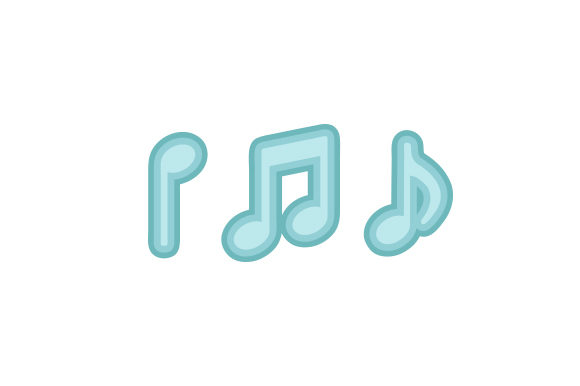
3D Music Note: A Crafts & Music Asset Review
I recently received a request from a client launching a boutique line of handmade musical instruments. They needed visual assets that felt modern, tactile, and instantly recognizable for their packaging and social media campaign. After reviewing dozens of design options, I zeroed in on a specific graphic design asset known as the 3D Music Note. My job was to determine if this piece could stand up to professional scrutiny or if it was merely decorative clutter.
The first impression of the 3D Music Note is striking. Unlike flat illustrations that can feel dated or generic, this asset carries a sense of depth and volume. It immediately establishes a mood of creativity and rhythm. For a project centered around Music and Crafts, this visual weight is essential. It suggests that the product inside is not just a commodity but an experience. The style leans towards a polished, contemporary aesthetic that fits perfectly within modern design trends, making it suitable for brand identity work that needs to appeal to both younger demographics and serious hobbyists.
Real-World Application in Brand Identity and Packaging
In my workflow, I often test assets against real-world scenarios before approving them for a client. When I placed the 3D Music Note on a mockup of a premium instrument case, it transformed the entire look. It acted as a hero graphic, drawing the eye immediately without overwhelming the typography. This is crucial for packaging design, where shelf presence determines success. The asset works beautifully as a standalone logo mark or as a supporting element in a larger brand identity system.
For a small business owner running an Etsy shop or a print-on-demand store, this asset offers versatility. Imagine using it on a t-shirt design where the 3D effect adds texture to the fabric print. Or consider its application on a tote bag, where the glossy finish of the design contrasts nicely with the matte material of the bag. It elevates simple merchandise into something that feels professionally curated. In marketing visuals, such as digital ads or Pinterest pins, the asset provides the necessary visual hook to stop the scroll.
The asset also shines in editorial design. Whether for a blog post about music production or a magazine spread on local events, the 3D Music Note serves as a dynamic icon that breaks up text and adds interest. It is particularly effective in web design headers or as a favicon, provided the resolution is high enough to maintain clarity at smaller scales.
Strategic Placement and Visual Hierarchy
Not every design situation calls for a heavy, three-dimensional element. Understanding where the 3D Music Note belongs is key to maintaining a clean visual hierarchy. This asset performs best in large layout areas where it can breathe. It excels as a background texture for posters or flyers, adding depth without distracting from the primary message. It is also ideal for sticker design and product mockups, where the illusion of dimension enhances the perceived value of the item.
However, there are pitfalls to avoid. If you place this asset in a crowded layout with too many competing elements, it can create visual noise. The depth of the note might clash with other 3D effects or busy patterns. Similarly, in minimalist branding projects that rely on stark lines and negative space, a rendered 3D object might feel out of place. It requires a balance; if your design philosophy is strictly corporate or ultra-minimalist, this asset may disrupt the intended tone of professionalism and restraint.
When used in social media graphics, the asset helps establish emotional appeal. It signals fun, energy, and artistic expression, which drives audience engagement. But be careful when pairing it with complex backgrounds. If the background is too busy, the edges of the 3D note may get lost, reducing its impact. Always ensure sufficient contrast between the asset and its environment to maintain readability and recognition.
Technical Considerations for Professional Use
As a designer, I never skip the technical review. The fact that you receive this design in multiple formats—SVG File, Transparent PNG, EPS, and DXF—is a massive advantage for flexibility. The SVG file allows for infinite scalability, meaning you can stretch the 3D Music Note to fit a billboard or shrink it for a mobile app icon without losing quality. This is vital for commercial design where assets must adapt across various mediums.
The Transparent PNG is equally valuable for quick edits in tools like Canva templates or for layering over different colors. However, I always inspect the transparency closely to ensure there are no jagged edges or halo artifacts around the curves. The EPS and DXF files open up possibilities for Cricut projects and physical crafting. For those creating vinyl decals or laser-cut signs, having the vector path ensures crisp cuts and precise shapes.
Before finalizing any client work, I recommend testing the asset in black and white. Does the 3D effect hold up without color? This step checks the fundamental strength of the design. You should also preview it at small sizes to ensure the details don't blur into a gray blob. Placing it on real mockups is another non-negotiable step; seeing how it interacts with shadows and lighting in a realistic setting confirms its viability for sublimation design or screen printing.
Comparative Analysis and Final Verdict
How does the 3D Music Note compare to other styles? Unlike a script font or handwritten font which conveys a personal, organic touch, this asset offers a more structured, manufactured look. It pairs well with sans serif fonts for a clean, modern feel, but can clash with ornate serif fonts unless carefully balanced. Compared to a basic clipart illustration, the 3D version commands more attention and authority.
For designers working on design bundles or selling digital products, this asset is a strong addition. It appeals to crafters, content creators, and small business owners looking to elevate their creative marketplace offerings. The ability to use it in digital product launches or seasonal campaigns makes it a versatile tool in any toolkit.
Ultimately, the decision to use the 3D Music Note comes down to the specific needs of the project. If the goal is to create a polished, engaging visual that resonates with audiences interested in music and arts, this asset delivers. It supports brand consistency and adds a layer of professionalism that flat graphics often lack. Just remember to confirm the commercial license before deploying it for any client or business project to ensure full legal protection.
In conclusion, the 3D Music Note is more than just a decorative element; it is a strategic tool for enhancing modern design projects. Whether you are designing a logo, creating a flyer, or preparing a Cricut cut file, this asset provides the visual punch needed to make your work stand out. By understanding its strengths and limitations, you can integrate it seamlessly into your workflow and deliver results that exceed client expectations.