3D Model: Elevating Graphics and Illustrations for Modern Publishing
In the fast-paced world of digital publishing, a single visual asset can determine whether a reader clicks through or scrolls past. As an experienced blog designer who has managed countless editorial workflows, I have learned that the difference between a mediocre site and a professional authority often lies in the quality of the design assets used to frame the content. Today, I am reviewing a specific 3D Model that caught my eye while scouting for new Illustrations and Graphics to enhance our content strategy. This is not just a picture; it is a functional component of a robust visual hierarchy.
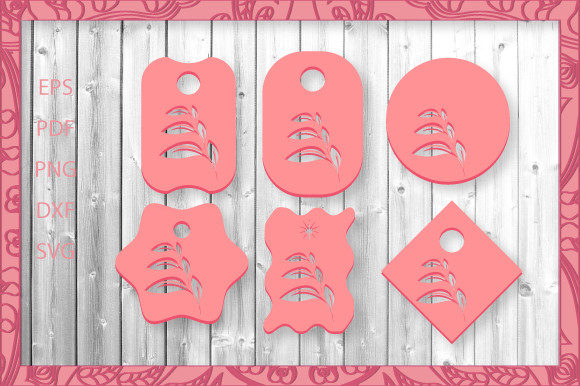
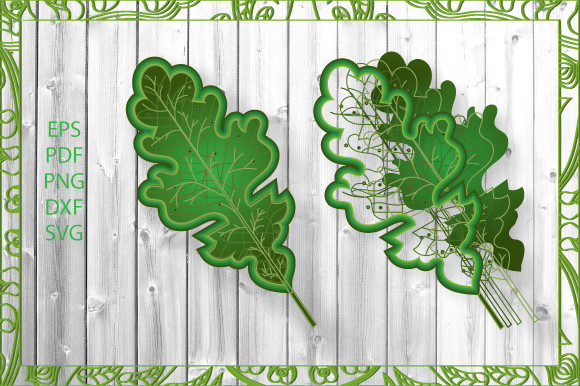
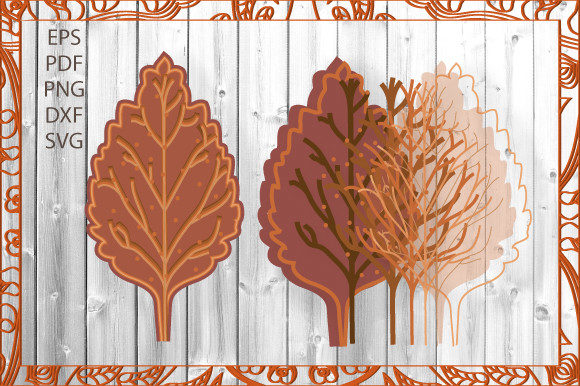
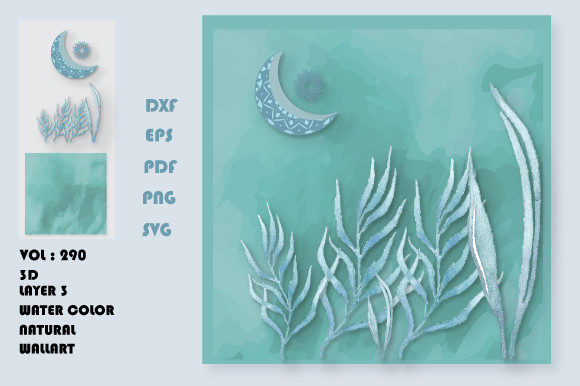
Upon first inspection, the 3D Model exudes a sense of modern polish. It features a simple design with high quality, which is exactly what we need for today's clean web aesthetic. The rendering feels tactile yet uncluttered, creating an editorial mood that balances professionalism with approachability. For a niche focused on lifestyle, education, or creative entrepreneurship, this asset naturally supports a narrative of innovation and clarity. It avoids the chaotic energy of overly complex 3D renders, opting instead for a refined look that signals trustworthiness to the audience.
Integrating 3D Model into Real Editorial Workflows
The true test of any graphic design asset is how it performs within a live publishing environment. Imagine a scenario where you are preparing a week's worth of content for your affiliate blog or online course platform. You need a featured image that stops the scroll, a Pinterest pin that drives traffic, and a banner for your newsletter header. The 3D Model fits seamlessly into these roles.
When placed as a hero image on a homepage, it establishes an immediate brand identity that feels curated rather than generic. In an article context, using this model as a visual break between text blocks can improve readability and keep readers engaged longer. For Pinterest pins, the depth provided by the 3D element adds a layer of intrigue that flat illustrations often lack. This extra dimensionality makes the graphic stand out against the sea of flat images in a user's feed, directly supporting better click-through potential.
- Blog Featured Images: Use the model to anchor your post thumbnails, ensuring they look consistent across all categories.
- Digital Guides and eBooks: Incorporate the asset into covers for downloadable resources, making them appear premium and valuable.
- Newsletter Banners: Add a touch of sophistication to your email headers without overwhelming the subject line.
- Social Media Graphics: Leverage the versatility of the design for Instagram posts or LinkedIn updates to maintain a cohesive look.
Supporting Content Performance and Reader Trust
Visual communication is the silent salesperson of any website. A polished presentation implies that the content behind it is equally well-researched and reliable. By utilizing the 3D Model consistently, you create a stronger visual identity that helps readers recognize your brand instantly. This consistency builds reader trust, which is crucial for affiliate marketing and monetized sites.
The asset supports content performance by clarifying the message before a single word is read. If your topic involves digital products, tech tutorials, or creative tools, the 3D Model acts as a perfect metaphorical bridge. It suggests tangible value in a digital space. When paired with strong typography, the combination creates a compelling editorial layout that guides the eye naturally from the headline to the call-to-action. This improved visual hierarchy ensures that your most important messages are not lost in the noise of the internet.
Where the Design Asset Shines Brightest
This creative design excels in specific areas of the web ecosystem. It is particularly effective when used as a standalone element against a solid color background or a subtle gradient. Here are the prime locations where this asset should take center stage:
- Hero Images: Large-scale presentations where the model can be appreciated for its detail and form.
- Category Thumbnails: Visual cues that help users navigate your site and understand your content structure.
- Lead Magnets: Covers for freebies, worksheets, or checklists that need to look like high-value downloads.
- Media Kits: Professional visuals to present to sponsors or partners, demonstrating a commitment to quality.
- Downloadable Printables: Elements that add a 3D feel to otherwise flat paper designs.
Furthermore, because the design allows for modification, it serves as an excellent base for Canva templates. You can easily adjust colors to match your seasonal campaigns or brand palette, ensuring your content marketing remains fresh and relevant throughout the year.
Strategic Considerations and Placement Warnings
While the 3D Model is versatile, it is not a one-size-fits-all solution for every corner of your website. There are contexts where a simpler, flatter approach might be more appropriate. For instance, in small mobile thumbnails, the intricate details of the 3D render might get lost, causing the image to appear muddy or indistinct. In such cases, cropping or simplifying the view is essential.
Additionally, if you are operating in a serious professional niche, such as corporate finance or legal advice, ensure the playful or artistic nature of the model aligns with your tone. Avoid placing this asset on busy layouts where it might compete with other graphics or text. For websites that require a strictly minimal visual system, the added depth of the 3D element might introduce too much visual weight. Always consider the balance between the graphic and the surrounding whitespace.
Practical Publisher Notes for Implementation
To get the most out of this digital download, there are several technical steps you must take. First, test the asset on both desktop and mobile screens. How does it scale? Does it lose resolution? The product description notes that files include SVG Vector formats, which is a game-changer for scalability. Unlike raster images, vectors allow you to resize the 3D Model infinitely without pixelation, ensuring crisp edges on retina displays.
You should also preview the design inside a real blog layout. Place it beside different font styles—serif, sans-serif, script, handwritten, and display—to see how they interact. Sometimes, a bold 3D graphic pairs best with a clean sans-serif font, while a softer version might complement a serif typeface. Check contrast levels carefully; if the background is light, ensure the model has enough shadow or color depth to pop. Conversely, on dark backgrounds, verify that highlights remain visible.
Don't forget to review the file size. Even with high-quality rendering, large PNG files can slow down your site, negatively impacting SEO. Compress images properly before uploading. Finally, confirm your commercial license. Since you are likely using this on a monetized website or for paid content products, having the right permissions is non-negotiable. The inclusion of multiple formats—SVG Vector, PNG Transparent File, and JPG—means you are prepared for almost any scenario, from web headers to print-ready materials.
In conclusion, the 3D Model is a powerful tool for bloggers, publishers, and digital marketers looking to elevate their visual storytelling. Its simple yet high-quality design offers the flexibility needed for diverse web design projects. Whether you are building a media kit, designing a lead magnet, or simply trying to make your next blog post look more clickable, this asset delivers the professional polish that modern audiences expect. By integrating it thoughtfully into your workflow, you transform ordinary content into an engaging, trustworthy, and visually stunning experience.