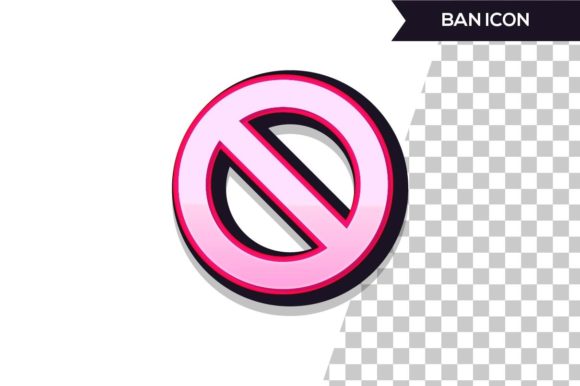
3D Ban or Stop Icon Design for Modern Graphics and Icons
I recently received a request from a client launching a boutique organic skincare line called "Pure Pause." They needed a visual element to represent their core message: stopping harmful chemicals and embracing natural ingredients. The brief was specific; they wanted something bold, modern, and slightly tactile that could work across packaging, social media graphics, and print-on-demand merchandise. After reviewing dozens of assets in the digital marketplace, I decided to test 3D Ban or Stop Icon Design as the centerpiece for this campaign. As a designer who lives in Adobe Illustrator and spends hours tweaking vector paths, my initial reaction to this asset was one of cautious optimism. It is not just another flat clipart image; it carries a distinct weight and dimensionality that suggests it belongs in high-end branding.
The first impression of 3D Ban or Stop Icon Design is defined by its depth. Unlike standard two-dimensional icons that often feel generic, this piece utilizes lighting and shadow to create a tangible presence. It evokes a mood of authority mixed with approachability. The style leans heavily into modern design trends, offering a polished look that feels expensive without being overly ornate. For a small business owner or a handmade brand looking to elevate their visual identity, this graphic design asset provides exactly the kind of professional polish that separates amateur projects from commercial-grade work. It naturally fits projects that require a statement piece, whether that is a warning label on a product bottle or a hero graphic for a website landing page.
Real-World Application in Brand Identity and Packaging
In the context of the "Pure Pause" project, I immediately saw how 3D Ban or Stop Icon Design could serve as a critical component of the brand identity. When placed on a matte black box, the 3D rendering pops against the dark background, creating a strong focal point. This is crucial for packaging design, where shelf appeal determines success. The asset performs exceptionally well as a decorative accent or a primary logo element. It transforms a simple stop sign concept into a sophisticated symbol that communicates trust and safety. For editorial design or marketing visuals, this level of detail ensures that the audience stops scrolling and pays attention.
Beyond physical products, this icon excels in digital environments. I tested placing it within various social media graphics, including Instagram posts and Pinterest pins. The resolution holds up beautifully, making it ideal for content creators and bloggers who need crisp visuals for their platforms. In web design, it can function as a powerful call-to-action button or a section divider. The three-dimensional quality adds a layer of engagement that flat icons often lack, encouraging users to interact with the interface. Whether you are designing a Canva template for a client or creating a complex layout for a digital ad, 3D Ban or Stop Icon Design adds a dynamic element that elevates the entire composition.
Strategic Use Cases for Cricut Users and Print-on-Demand Sellers
For crafters, Cricut users, and print-on-demand sellers, the versatility of this asset is a game-changer. I examined how it translates to sublimation design and t-shirt design. The depth in the file allows for creative manipulation during the cutting process. If used for sticker design, the 3D effect creates a sense of premium quality that customers appreciate. Small business branding often relies on these subtle details to justify higher price points, and this graphic design asset delivers that perception of value.
When integrating this into a design bundle or a collection of illustrations, it serves as an anchor piece. Imagine a seasonal campaign where this icon represents a "sale ending" or a "limit reached" notification. Its visual hierarchy commands attention without overwhelming the text. For printable wall art or digital downloads sold on marketplaces like Etsy, the high-resolution JPG included in the package ensures that the final product looks sharp on any screen. However, designers must be mindful of the file formats. While the AI and EPS files offer incredible editability for SVG design workflows, the raster images provide immediate usability for quick mockups. This flexibility makes it a valuable addition to any creative marketplace inventory.
Where to Exercise Caution and Maintain Visual Hierarchy
While 3D Ban or Stop Icon Design is impressive, it is not a universal solution. In my review, I identified specific scenarios where this asset might struggle. Because the icon has significant texture and shading, it can become muddy when scaled down too small. If you are using it for tiny mobile navigation elements or intricate details on a business card, the fine lines may disappear or blur. Similarly, in crowded layouts with complex backgrounds, the 3D effects might compete with other visual elements, disrupting the visual hierarchy.
Minimalist branding projects that rely on clean lines and negative space should also use this asset carefully. A stark, corporate environment might find the rendered shadows too informal or distracting. Professional corporate materials often demand a more subdued aesthetic, and the boldness of this icon could clash with a strict brand guideline. Additionally, if the background colors do not provide sufficient contrast, the 3D depth will flatten out, losing its intended impact. Designers must ensure that the lighting direction of the icon aligns with the rest of the composition to maintain a cohesive look.
Practical Designer Notes for Commercial Success
Before committing to a client project, I recommend a rigorous testing phase. Always preview the 3D Ban or Stop Icon Design in black and white to ensure the shapes remain distinct without relying solely on color. Check the contrast on both light and dark backgrounds to verify readability. It is also wise to place the asset on real mockups, such as product labels or phone screens, to see how it interacts with different textures and materials.
File inspection is non-negotiable. Review the vector editability in the AI or EPS files to confirm that you can adjust strokes and curves if necessary. If PNG transparency is included, inspect the edges for jagged pixels or haloing artifacts. When comparing font styles, consider how the icon pairs with serif fonts, sans serif fonts, script fonts, handwritten fonts, and display fonts. The bold nature of this 3D icon usually pairs best with clean sans-serif typography to maintain balance. Finally, always confirm the commercial license before using it for a client or business project. Understanding the usage rights protects you and your clients from potential legal issues.
Ultimately, 3D Ban or Stop Icon Design is a robust tool for anyone looking to add depth and professionalism to their work. From digital product launches to physical merchandise, its ability to command attention while maintaining a modern aesthetic makes it a standout choice. By understanding its strengths and limitations, designers can leverage this asset to create memorable, effective, and visually stunning campaigns that resonate with audiences across all industries.